

When Is Euthanasia Ethical For Large Animals
Equally appearing in The Conversation
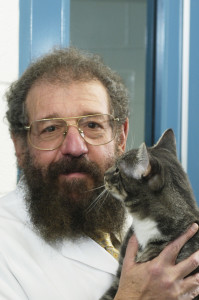
In the 1960s, I knew people who, earlier going on holiday, would have their dogs to a shelter to be euthanized. They reasoned that it was cheaper to take a domestic dog euthanized – and buy a new one upon returning – than pay a kennel fee.
Two decades after, I was working at Colorado Land'southward veterinarian hospital when a grouping of distraught bikers on Harley-Davidsons pulled up carrying a ill chihuahua. The canis familiaris was intractably ill, and required euthanasia to prevent further suffering. Later, the infirmary'southward counselors felt compelled to find the bikers a motel room: their level of grief was so profound that the staff didn't remember information technology was safe for them to be riding their motorcycles.
These two stories illustrate the drastic change in how animals have been perceived. For thousands of years, humans have kept animals every bit pets. Simply merely during the past xl years have they come to exist viewed as family.
While it'south certainly a positive development that animals are being treated humanely, one of the downsides to amend handling mirrors some of the bug the (human) health care system faces with end-of-life intendance.
As with humans, in many cases the lives of pets are needlessly prolonged, which can crusade undue suffering for the animals and an increased financial burden for families.
The growth of veterinarian medicine and ethics
In 1979, I began teaching veterinarian medical ethics at Colorado Land University's veterinary school, the outset such form always taught anywhere in the globe.
A year later, the veterinary schoolhouse hired an oncologist to head up a new program on creature oncology. Soon, our clinic was applying human therapeutic modalities to animal cancer. The visionary head of the veterinary programme also hired a number of counselors to help pet owners manage their grief – some other commencement in veterinary circles.
I'd been nether the impression that people would be reluctant to spend much money on animal treatments, so I was genuinely shocked when the post-obit April, the Wall Street Journal reported individuals spending upwards of six figures on cancer treatments for their pets.
As a strong advocate for strengthening business for beast welfare in gild, I was delighted with this unprecedented turn of events. I soon learned that concern for treating the diseases of pets besides cancer had also spiked precipitously, evidenced by a meaning increase in veterinarian specialty practices.
One of the family
So what'due south behind the shift in how pets are perceived and treated?
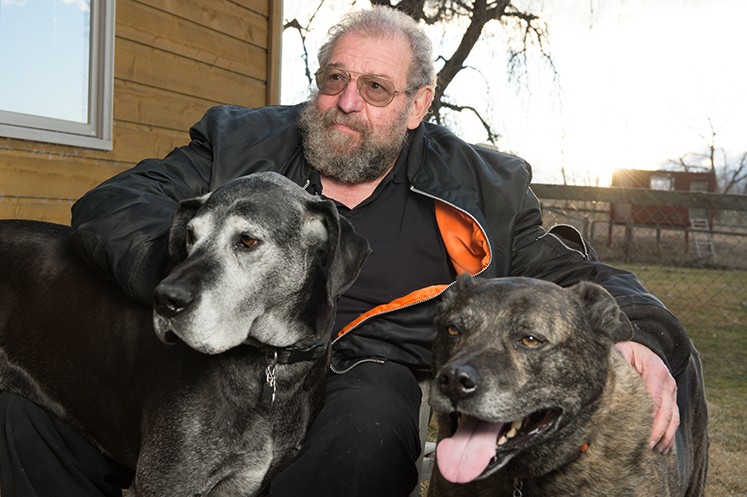
For i, surveys conducted over the final two decades signal an increasing number of pet owners who profess to view their animals every bit "members of the family." In some surveys, the number is as high as 95% of respondents, but in almost all surveys the number is higher than 80%.
In improver, the breakdown of nuclear families and the uptick of divorce rates have contributed to singles forming tighter bonds with companion animals.
Such attitudes and trends are probable to engender profound changes in societal views of euthanasia. Whereas before, many owners didn't remember twice nigh putting down a pet, at present many are hesitant to euthanize, frequently going to keen lengths to keep sick animals alive.
Vets caught in the eye
However, veterinarians proceed to experience extensive stress as they experience two opposite – but equally trying – dilemmas: ending an animal's life too soon, or waiting too long.
In a paper that I published entitled Euthanasia and Moral Stress, I described the significant stress experienced by veterinarians, veterinary technicians and humane society workers. Many chose their profession out of a desire to improve the lot of animals; instead, they invariably ended up euthanizing big numbers of them, oft for unethical reasons.
These ranged from "I got the dog to jog with me, and now it's too old to run," to "If I dice, I want you to euthanize the animal because I know it can't bear to live without me."
In other cases, the animate being is experiencing considerable suffering, merely the owner is unwilling to let the fauna get. With owners increasingly viewing pets every bit family members, this has become increasingly common, and many owners fear the guilt associated with killing an animal too soon.
Ironically this, as well, can crusade veterinarians undue trauma: they know the animal is suffering, only at that place's zilch they tin can do near it unless the possessor gives them permission.
The consequences are manifest. One recent study showed that i in six veterinarians has considered suicide. Another plant an elevated risk of suicide in the field of veterinary medicine. Beingness asked to kill salubrious animals for possessor convenience doubtless is a major contribution.
How to manage the decision to euthanize
Here is my suggestion to anyone who is thinking almost getting a pet: when yous starting time acquire information technology, create a list of everything you lot can find that makes the animate being happy (eating a treat, chasing a ball, etc). Put the list away until the fauna is undergoing handling for a concluding disease, such equally cancer. At that point, return to the list: is the brute able to chase a ball? Does the animal become excited about receiving a care for?
If the fauna has lost the ability to take positive experiences, it'due south often easier to let become.
This strategy tin can be augmented by pointing out the differences between man and beast consciousness. Every bit philosopher Martin Heidegger has pointed out, for humans much of life's pregnant is derived from balancing past experiences with future aspirations, such equally wishing to see one's children graduate or hoping to see Republic of ireland again.
Animals, on the other manus, lack the linguistic tools to let them to anticipate the future or create an internal narrative of the past. Instead, they live overwhelmingly in the present. So if a pet possessor is reluctant to euthanize, I'll frequently point out that the animal no longer experiences pleasant "nows."
In the terminate, managing euthanasia represents a major complexity of the augmented status of pets in society. Ideally, companion animate being owners should maintain a good relationship with their general veterinary practitioner, who has often known the animal all of its life, and can serve as a partner in dialogue during the trying times when euthanasia emerges as a possible alternative to suffering.
Source: https://magazine.libarts.colostate.edu/article/ethical-euthanize-pet/
Posted by: carterwasat1981.blogspot.com
0 Response to "When Is Euthanasia Ethical For Large Animals"
Post a Comment